Featured
Table of Contents
Throughout prolonged exposure (PE) an individual is progressively exposed to their trauma-related memories, fears, emotions, and sensations regarding the occasion(s) to learn that these are no more hazardous or need to be avoided. Patients commonly consult with a therapist once a week for three to 4 months. PE is strongly advised by the American Psychological Association as a first-line treatment for PTSD.
CPT is thought about a first-line treatment for PTSD and is highly advised by the APA. Cognitive behavioral therapy (CBT) concentrates on thoughts, feelings, and behaviors, and the connection between them. A trauma-focused therapist might help a customer recognize exactly how they are thinking of their injury and how to shift it right into more helpful reasoning.
This therapy is strongly recommended by the APA for the treatment of PTSD. Trauma-focused cognitive behavior treatment (TF-CBT) deals with the psychological wellness requirements of grownups struggling with the devastating effects of early injury. The therapy is particularly conscious the unique issues of youth with post-traumatic anxiety and mood conditions resulting from sexual abuse, along with from physical misuse, physical violence, or despair.
Eye activity desensitization and reprocessing (EMDR) was established as a treatment for PTSD. It entails refining the memory and the way it is stored in the brain, which minimizes troublesome triggers and signs. During this treatment, different approaches of bilateral simulations can be used to concentrate on memories of the trauma.
Reframing Personal Failure as Neurodevelopmental Difference
Created exposure therapy (DAMP) is a quick, evidence-based behavior psychiatric therapy in which people are slowly revealed. While in traditional exposure therapy, the person is revealed to the anxiety object or experience, in composed direct exposure therapy, the individual will writer concerning the injury memory. In a series of five short (50 to 60-minute) sessions, the individual will certainly write in detail regarding the ideas and emotions they contended the time of the occasion.
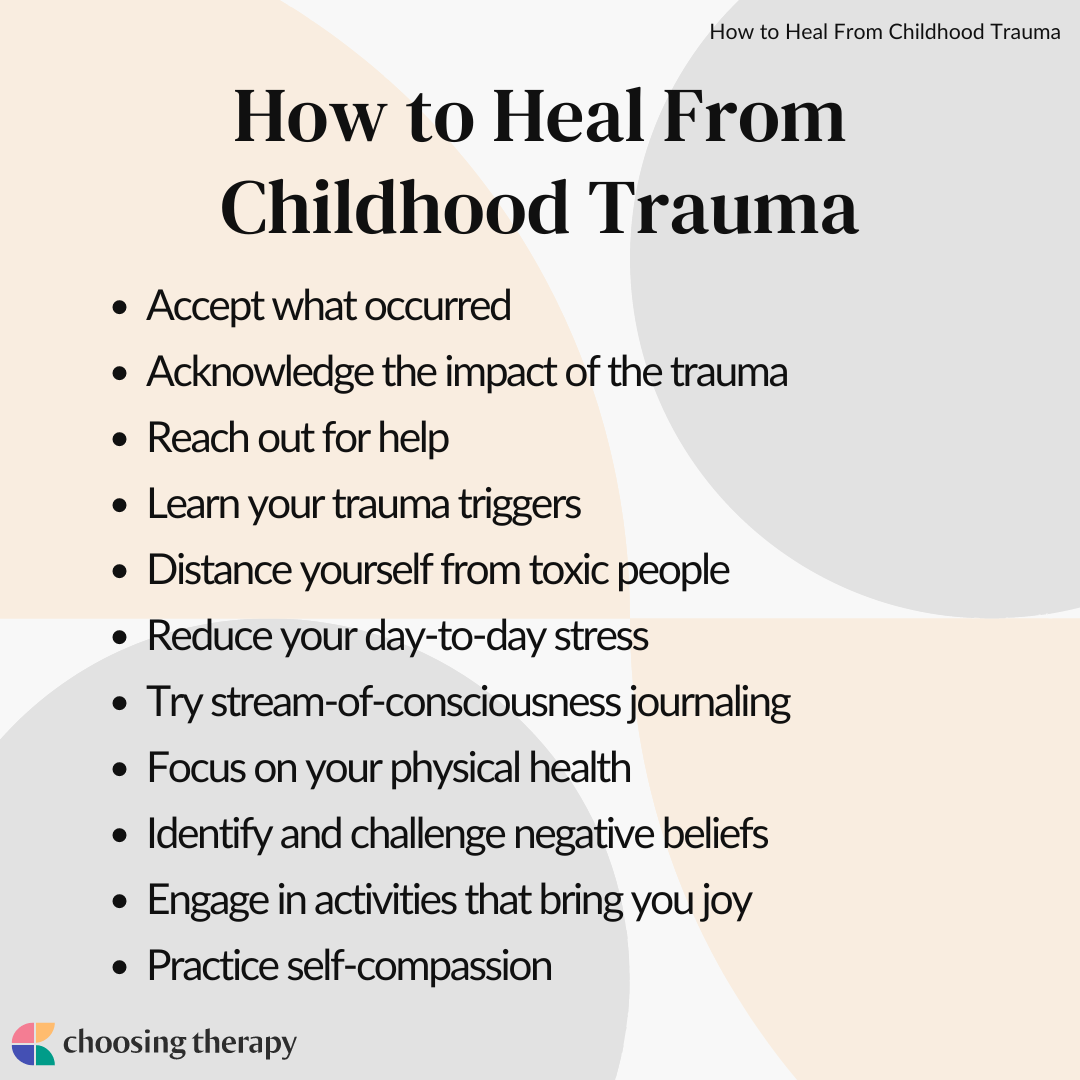
These can be especially encouraging when you're focused on recovery from trauma while in a connection, as they aid you control feelings and develop safer links. Below are some complementary and different treatments that may also be helpful for individuals with trauma: approaches incorporate cognitive interventions with somatic techniques that affect the human bio-energy systems such as meridians, chakras and the biofield to elevate physical, mental, psychological and spiritual wellbeing.
Yes, unsolved injury can cause anxiety and numerous other negative effects on a person's behavioral, psychological, mental, and physical health and wellness. To aid handle these impacts, a lot of go through trauma therapy treatment. When the trauma continues to be unresolved, there will likely be frequent triggers that an individual may reply to wrongly. They might create an exaggerated psychological feedback because they are reminders of the unsettled trauma.
Unsolved trauma in grownups might be the result of numerous various occasions, consisting of sorrow, electric motor car mishaps, physical misuse, sexual misuse, and verbal misuse. Unresolved trauma and connections don't fit with each other well.
Polyvagal Theory to Nervous System Regulation
The reason specialist injury therapy treatment is typically essential is that individuals may not also recognize they have unsolved injury. Many grownups are typically stunned by the reasons of their trauma discovered in expert treatment. Whatever the reason, injury therapy treatment for unsettled trauma can assist you process the challenging experience and alter the adverse thoughts and habits patterns that might be strengthening your adverse feelings.
Numerous unsolved trauma signs and symptoms are unnoticeable, and you might not recognize that a person is battling with it unless they directly rely on you regarding it. You may view out for some common indicators of dealing with the results of unsolved trauma. These signs consist of the following: Evasion or worry of feelings, objects, people, or locations that might be connected to a distressing experience Spells of anxiety or anxiety attack because of regular situations Adjustments in resting pattern Chronic or continuous clinical depression Dissociation in circumstances and discussions Sensations of badness, shame, worthlessness, or unimportance Feelings of detachment, isolation, and isolation Recalls, problems, and memories concerning the traumatic experience Hypervigilance Self-harm and self-mutilation Self-destructive thoughts or attempts Substance abuse or consuming conditions in an effort to numb adverse emotions Irrepressible temper If you or a person you respect is experiencing any among these especially if it's occurring frequently and is disrupting your every day life it's time to seek specialist assistance.

The majority of clients obtain admitted into an injury therapy treatment program since they wish to manage unresolved injury and improve connections. Their close relationships may have been damaged by the means they have actually been taking care of their injury without professional help. While they will certainly see an enhancement in their connections, this change may require time and not occur right away.
A Journey Toward Genuine Wellbeing
In some cases, it shows up in refined, peaceful methods that form just how you assume, feel, and connect to the world. When trauma is unsolved, it suggests the mind and body haven't completely incorporated or processed what occurred. You might not also remember the occasion clearlyor think of it as "that bad"but your nerves still responds as if the risk is ongoing.
Unresolved injury can push you outside this windowinto (stress and anxiety, rage, hypervigilance) or (tingling, closure, tiredness). The trauma may be in the past, yet your body and mind may still be supporting for effect.

Latest Posts
Your Timeline of Recovery With Trauma-Focused Treatment
When Family Counseling Heals Unspoken Cycles Across Generations
Evidence-Based CBT within Multilingual Settings